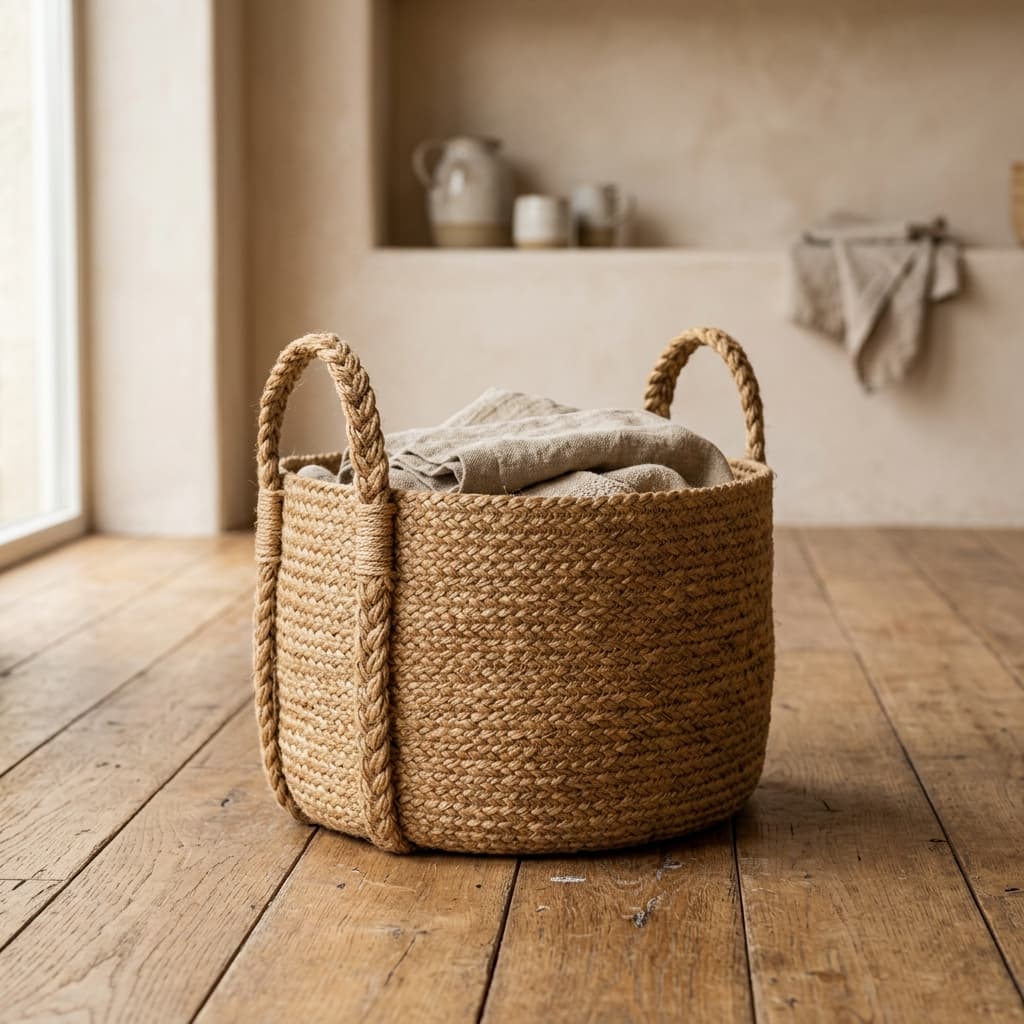
The Lost Art of Moonj Grass Weaving: How 400 Women in the Terai Reclaimed Economic Freedom
Deep along the Himalayan riverbanks of the Terai, rural craftswomen harvest wild moonj reed to weave intricate, durable heirlooms—turning ancestral folklore into a thriving zero-waste economy.

Garima Sharma
Founder & Head of Curation • September 18, 2026
Harvesting with the Lunar Cycle
Moonj harvesting is an intimate community ritual. Cut in the post-monsoon chill of October when the reeds turn a pale sun-bleached golden, the outer leaves (known locally as Kaasa) are peeled away to reveal the tender inner fiber, Sarpat. This core is split into fine filaments using heirloom iron needles, naturally sun-dried for seven days, and soaked in water right before weaving to grant it pliable elasticity.
“When we weave Moonj, our hands remember what our grandmothers hummed. It is not just grass; it is our voice and our financial independence.”
— Field Journal Note, Dhaga India
The Coiling Technique: A Thousand Micro-Stitches
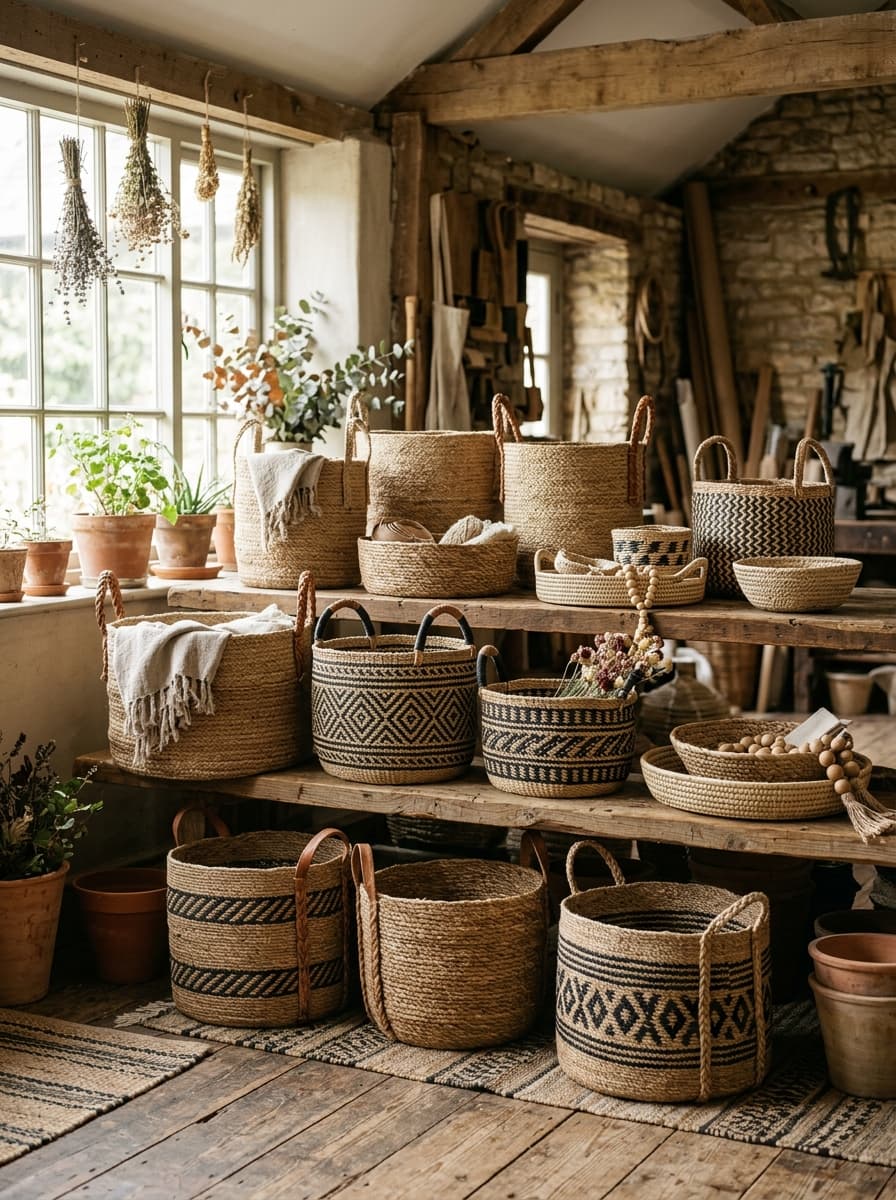
Unlike wicker or bamboo which are woven over rigid structural ribs, Moonj basketry employs the ancient coiled technique. The artisan forms a concentric spiral base, stitching each rising tier with dyed cotton threads. The rhythmic repetition produces intricate step-weave motifs, diamond medallions, and geometric tapestries that require up to four full days of unbroken patience for a single basket.
Reviving Modern Relevancy Through Zero-Waste Living
Today, urban households are actively discarding plastic storage tubs in search of soul-nourishing, earth-friendly alternatives. By partnering directly with craft clusters in Bahraich and Gorakhpur, Dhaga India guarantees guaranteed monthly stipends and fair wages directly into artisans’ personal bank accounts—fueling children’s education and keeping a thousand-year craft alive.
When you bring a Moonj grass basket into your living space, you bring home the fragrance of washed river soil, morning sun, and the quiet dignity of women who refuse to let their heritage fade.
Tribal Step-Weave Storage Basket
Handcrafted directly by the artisans featured in this story
More Stories from the Loom
View All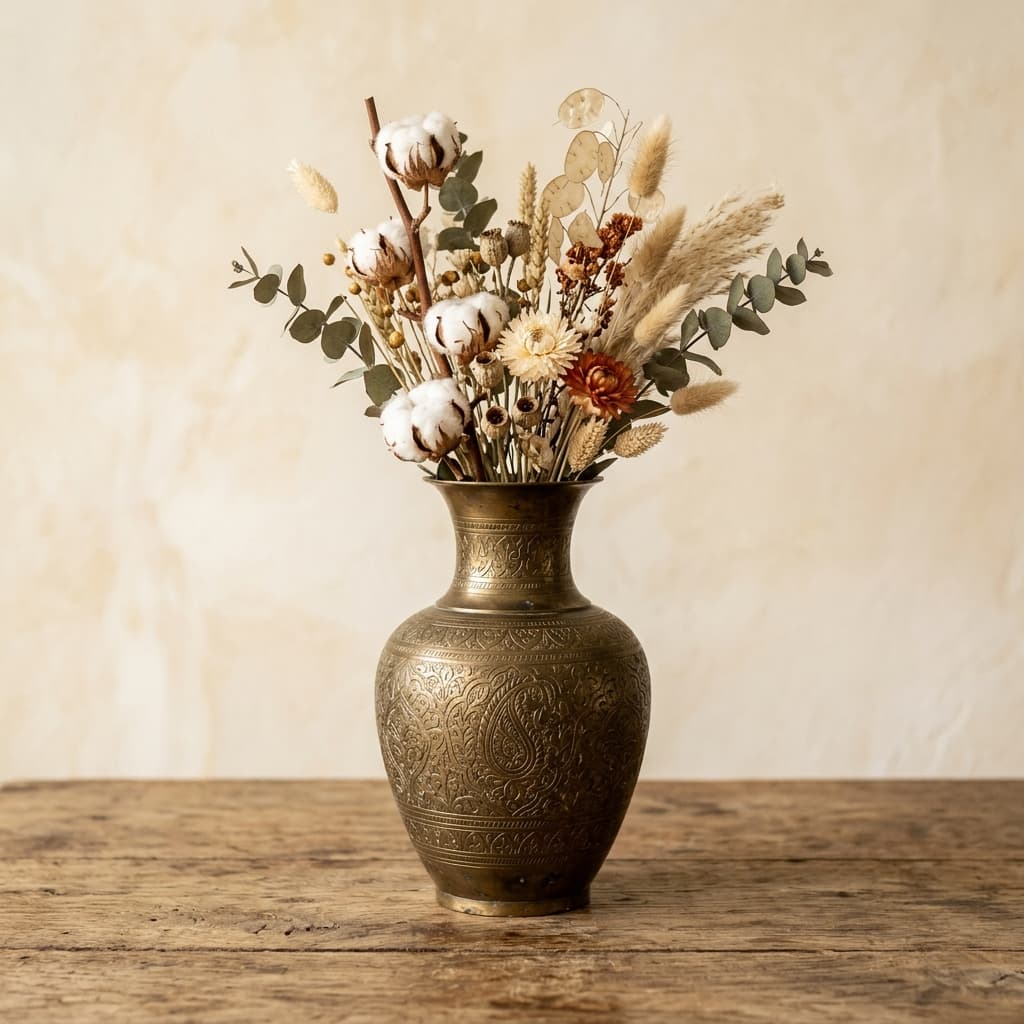
From Moradabad to Your Living Room: The 400-Year Legacy of Hand-Etched Nakashi Brass
5 min read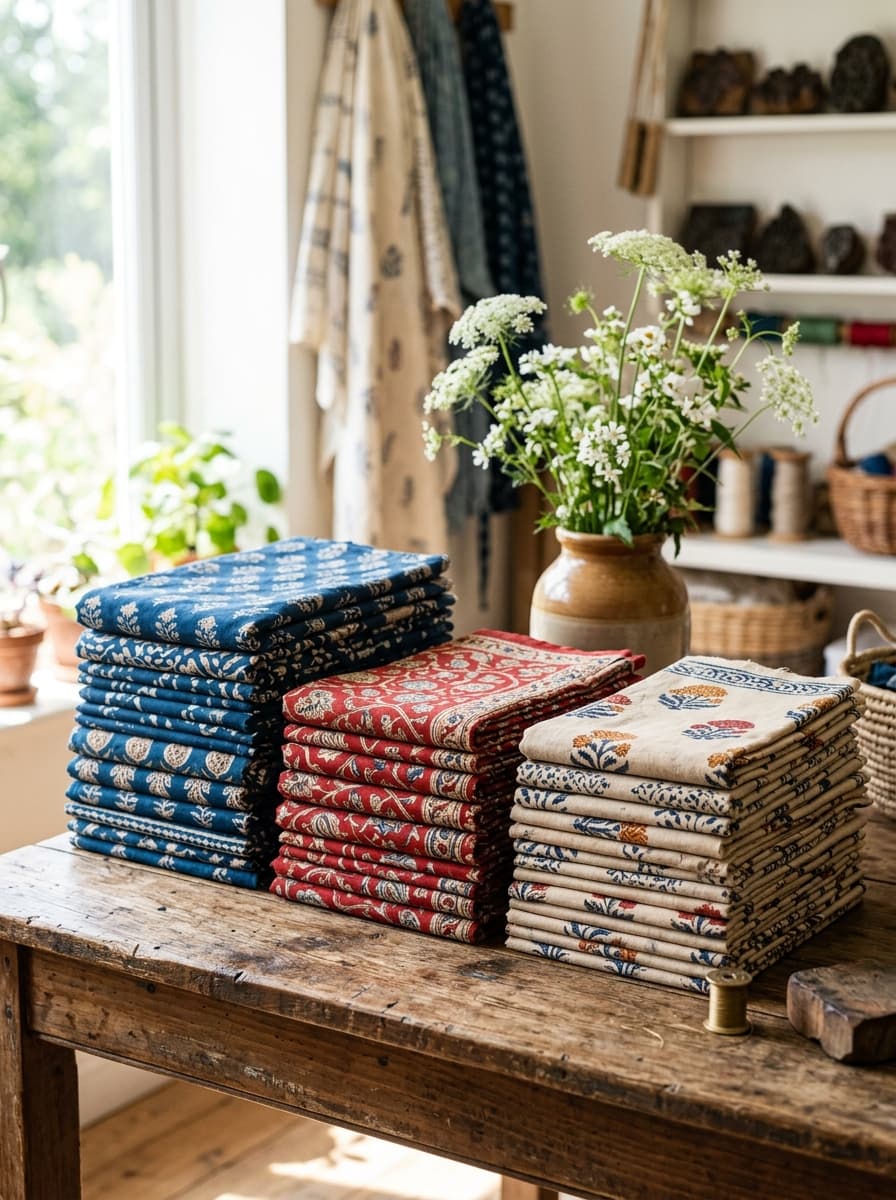
Natural Vegetable Dyes vs Chemical Pigments: The True Soul of Sanganer Block Prints
7 min read