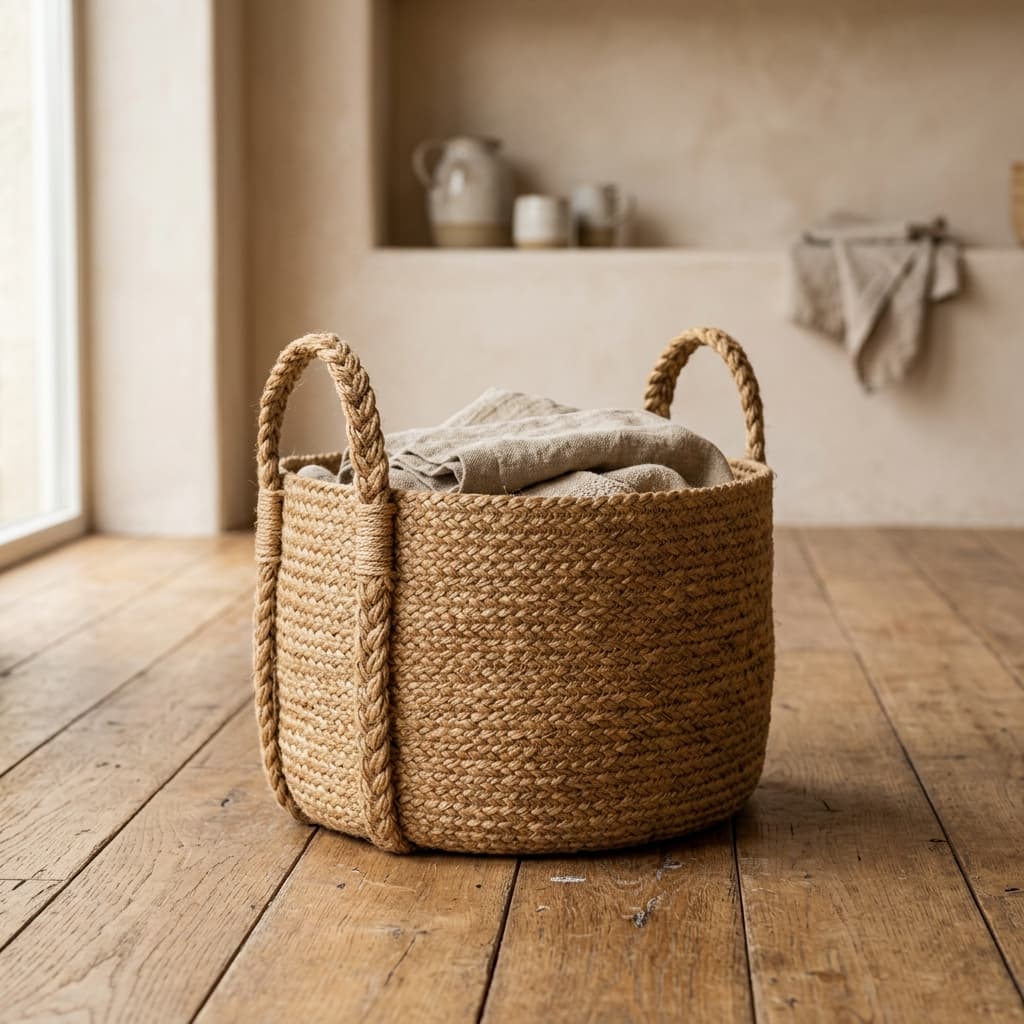
Natural Vegetable Dyes vs Chemical Pigments: The True Soul of Sanganer Block Prints
Wooden teak blocks, fermented indigo pits, and pomegranate rinds: why authentic hand-block printed cotton breathes differently and ages like fine vintage wine.
Rameshwar Chhipa
5th-Gen Master Block Printer • September 05, 2026
Carving the Sheesham Block
Every block print begins with a master carver chiseling dense seasoned Teak or Sheesham wood. Pin-sized air release holes are hand-drilled so that color pastes apply evenly without smudging. A single intricate floral border often requires up to four distinct registration blocks: the Rekh (outline), the Gad (background fill), and two Datta (accent flower colors).
The Alchemy of Earth Colors
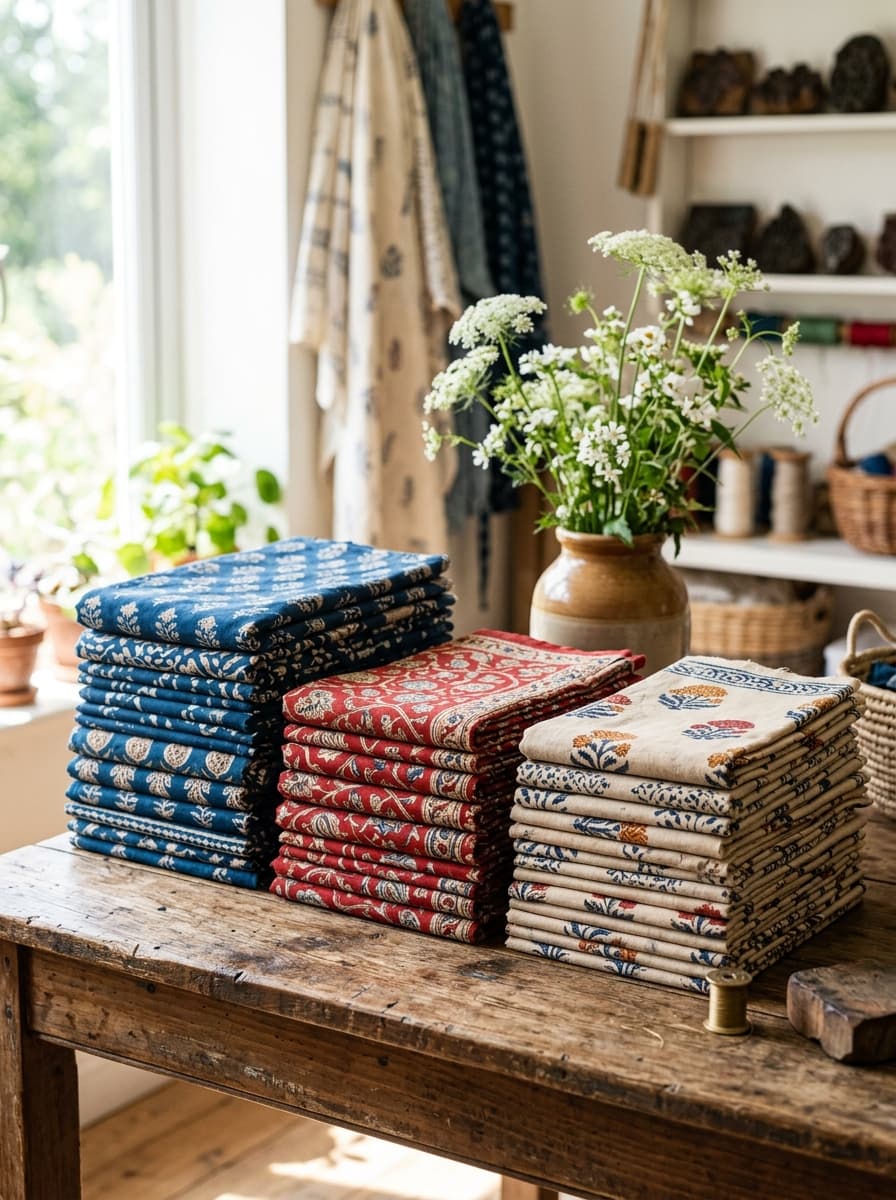
Deep crimson reds originate from madder root (Manjistha); deep night blues from aged indigo vats fermented with jaggery and lime; earthy ochres from dried pomegranate rinds (Naspal); and rich blacks from rusted iron scraps stewed with sugarcane molasses. These natural colors do not sit on top of the fabric; they bond with the cellulose fibers of handspun cotton.
“When you touch hand-block printed cotton, your skin recognizes organic fibers that breathe with the changing weather.”
— Field Journal Note, Dhaga India
Embracing block prints is an invitation to slow down and cherish slight human registration variations as authentic hallmarks of an artisan’s beating heart.
Block Print Cushion Cover
Handcrafted directly by the artisans featured in this story
More Stories from the Loom
View All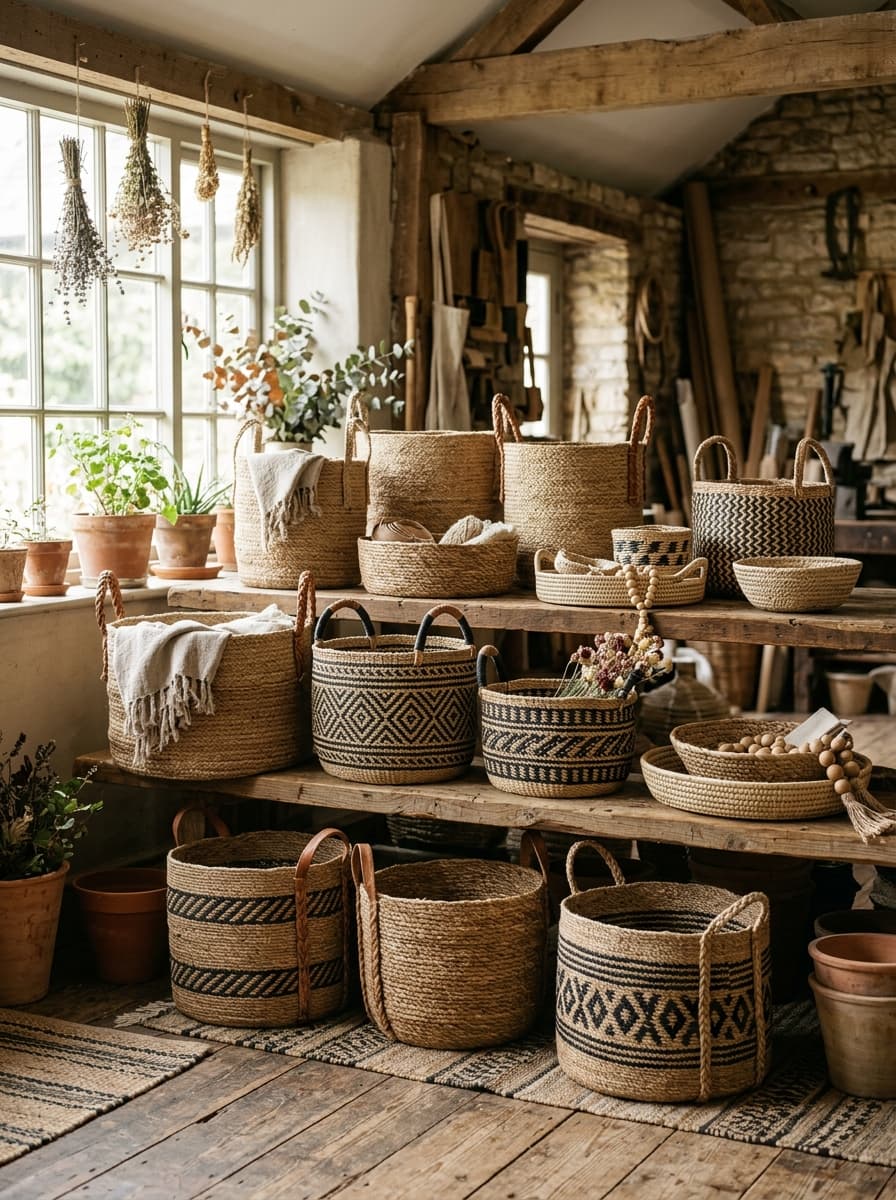
The Lost Art of Moonj Grass Weaving: How 400 Women in the Terai Reclaimed Economic Freedom
6 min read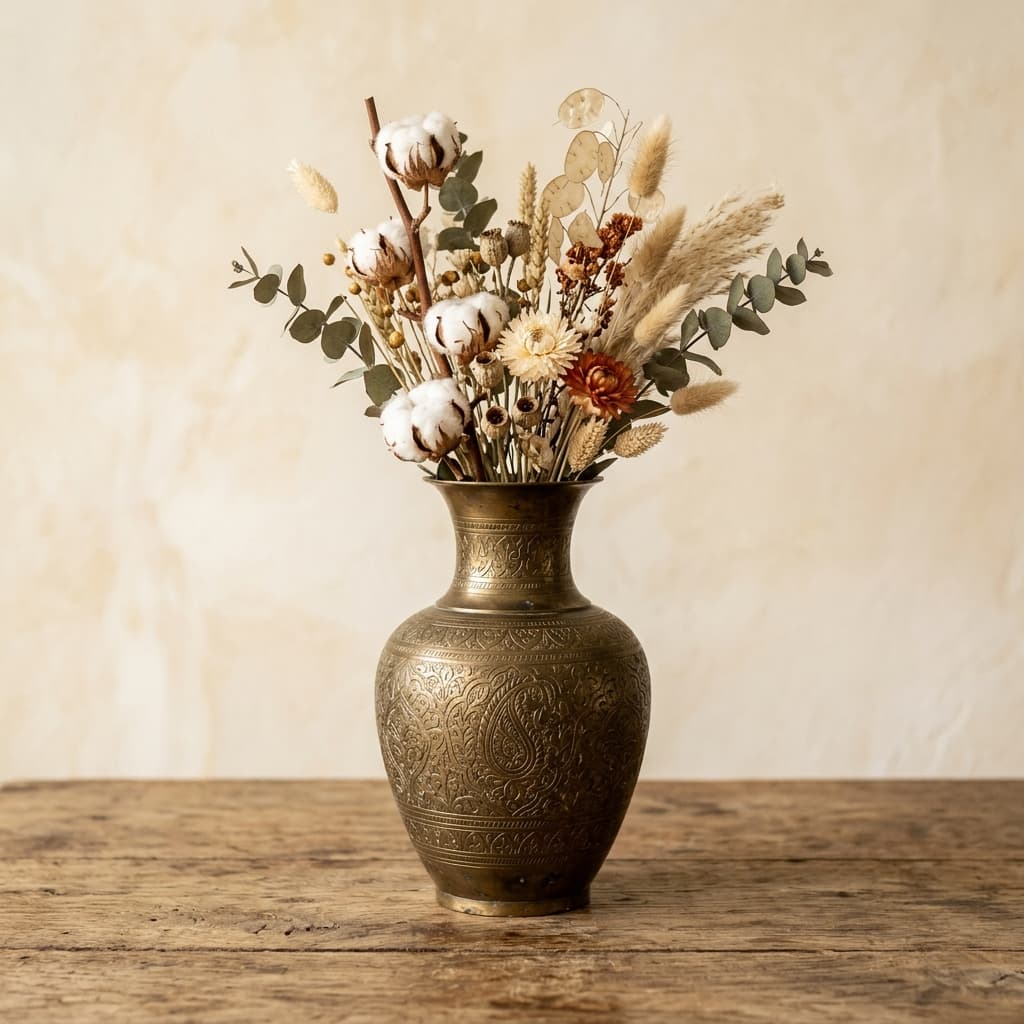
From Moradabad to Your Living Room: The 400-Year Legacy of Hand-Etched Nakashi Brass
5 min read